
Neasa spoke today on the Second Stage of the Land Development Agency Bill 2021
The Green Party agrees with the principle of active land management, and of activating under-used sites and identifying private lands that could be of benefit to projects for renewal of particular areas or consolidation with public lands.
The core principle of the Land Development Agency should be to operate to support local authorities in providing housing and managing land. It should be based on the following principles:
- Public and affordable construction of public homes on State land- so that all procurement is on an affordable basis and is done directly by the public body (LDA/AHB/LA) without outsourcing to private developers.
- All housing constructed on state land should be sustainable, climate resilient and based on the principles of community wealth building. We should use the establishment of the LDA to reverse the bonfire of building regulations and design standards we have witnessed since 2015, including the failed build-to-rent typology. We should see this as an opportunity to require the implementation of the Safe as Houses report including building control reform and the third party certification of building standards.
- We should include in the legislation a provision that the state retains control in the long term of any and all lands procured with State funding.
- And the land development agency should never find themselves in a position as a permanent or temporary landlord to any tenant
- The LDA should never be in the business of facilitating projects (and removing risk in projects) for private developers and private equity investors. That’s not how public money or public effort should be employed.
The LDA should not be entitled to sub-lease or transfer public lands other than in accordance with social housing, affordable purchase and cost rental models that are mutually agreed. This bill should provide for leasing from public bodies rather than land transfers, with a power to enter into development agreements with local authorities and state bodies, that would be subject to minimum terms that would be scheduled to the Bill.
For this purpose the primary housing models should be:
- “social housing”- that is housing owned and provided by a local authority or an AHB for which the tenant pays a differential rent in accordance with the Housing Acts; on state lands- this housing should be provided on the basis of cost + maximum of 5% developer profits;
- “affordable purchase” housing is provided on public lands, with the benefit of a waiver of development levies and serviced site funding, acquired by the buyer by a long lease with controls included for the community trust/AHB or similar body that retains ownership of the land, financed and built on the basis of costs + a maximum of 5% developer profits, and subject to a right of first refusal to the local authority or AHB landlord of the home with a clawback to repay the land value and state subsidy
There is a basic principle here that is absolutely vital to the operation of any body that would seek to undertake the work that is outlined in the LDA bill and it is this- there is no such thing as affordable housing without a model of affordable construction.
Ceann Comhairle as a member of the Public Accounts Committee I spend a good portion of my week reviewing the audited accounts of taxpayer funded entities that have fallen short of standards of fiscal performance or governance. It is in that context I would like to say a brief word about the fact that the LDA is already fully operational under an establishment order but with little or no oversight to its proceedings. Even before this bill proceeds through the Dail it can enter into contracts, acquire lands it can negotiate land transfer with government departments, agencies and local authorities. The legislation we are now considering will enable the agency to form subsidiaries, acquire public land on the basis of first refusal, enable it to implement compulsory purchase orders.
At the moment the LDA has an interim board. The board consists of 12 members, 5 of whom are from the banking sector, 4 more are government or local authority officials, there is one academic in social policy. There are no specialists in community design or the environmental and sustainable development of housing. In fact, considering it is International Women’s Day on Monday I think it’s fair to point out that there are more bankers on the board of the LDA then there are women. The LDA will have far reaching and considerable powers. They already do. I do not look forward to the inevitable appearance of the LDA in front of the Public Accounts Committee
Ceann Comhairle, Sean Lemass, a Fianna Fail Taoiseach presided in 1963 over the development of the Local Government Act which enshrined most of the housing and planning frameworks we still work with today- it established our local authorities as the core body responsible for the provision of social and public housing. Under this legislation the legacy this government will be the dismantling of that 1963 legislation. Local authorities will no longer be the foundational providers of public housing in the state. This legislation effectively locks in the failed and hugely discredited Strategic Housing Development framework, bypassing democratic oversight and erasing local voices from planning decisions.
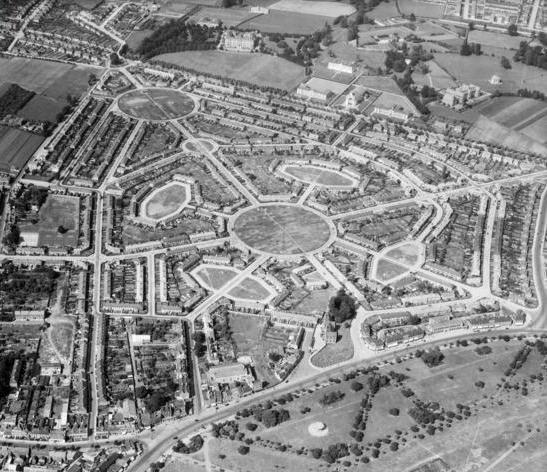
- Image credit. Dublin Corporation Housing Scheme at Marino
